


RICE PROCESSING TECHNOLOGY
RICE PROCESSING TECHNOLOGY
Rice processing cycle
The processing of rice is a complex and multifaceted process, extending from dehusking to the final selection. Each step plays a crucial role in ensuring the quality of the final product. Imas MilVit has successfully integrated cutting-edge technology to make every stage of the processing cycle more efficient and precise.
The cleaning of paddy rice harvested from the fields.
The cleaning of incoming raw materials is the first stage of this process. Through the use of specialized calibration supported by appropriate adjustments, rice is purified of straw, other seeds, and potential foreign particles. Subsequently, a low-pressure suction machine is employed to further separate and remove glumes from the rice
CONTACT US
Reduction of branching
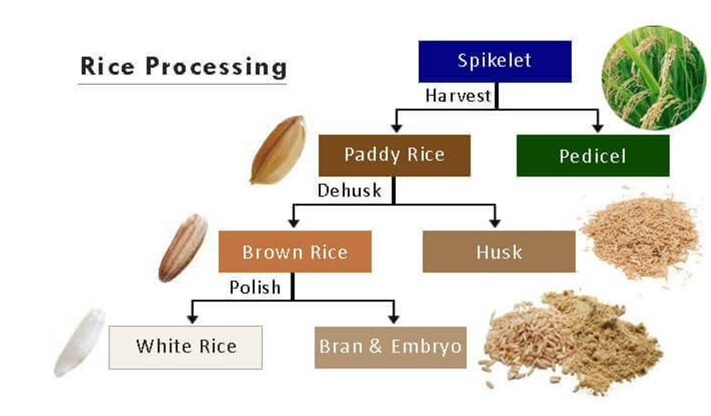
The second stage, known as dehusking, involves the removal of the husk from rice grains using cylinders rotating at different speeds. With an efficiency rate of 90%, this method demonstrates how the use of advanced technological equipment can yield significantly better results than traditional processes.
In this phase, the remaining 10% deemed unsuitable for consumption is separated from the husked rice using a rice separator. During this process, the rice is slid along an inclined sheet metal plane: grains are sorted based on their mass as they collide with the side walls. The heavier husked rice is pushed downward, while the unhusked grains are directed toward further dehusking operations.
Rice whitening
Depending on the final product to be produced, brown rice undergoes semi-polished and refined processes using whitening machines. These machines operate with abrasive stones: the rice passes through a cone where the husk, the oily layer of the grain, is removed through a process of friction against the stone.
Various refining steps may be applied based on the degree of processing and customer specifications.
Removing stone
In the past, such impurities were tolerated, but today’s market demands require the complete removal of all traces of gravel from the final product. For this reason, semi-milled rice undergoes a process where the product enters a measurement hopper by gravity and is evenly distributed across its width.
The product then falls through a sieve, and a combination of airflow and vibrational force separates heavier particles, which are directed upward, while the product continues downward.
This machine is utilized both in the primary dehusking stage (i.e., with brown rice) and before the final product passes through optical sorters.
Optical sorting
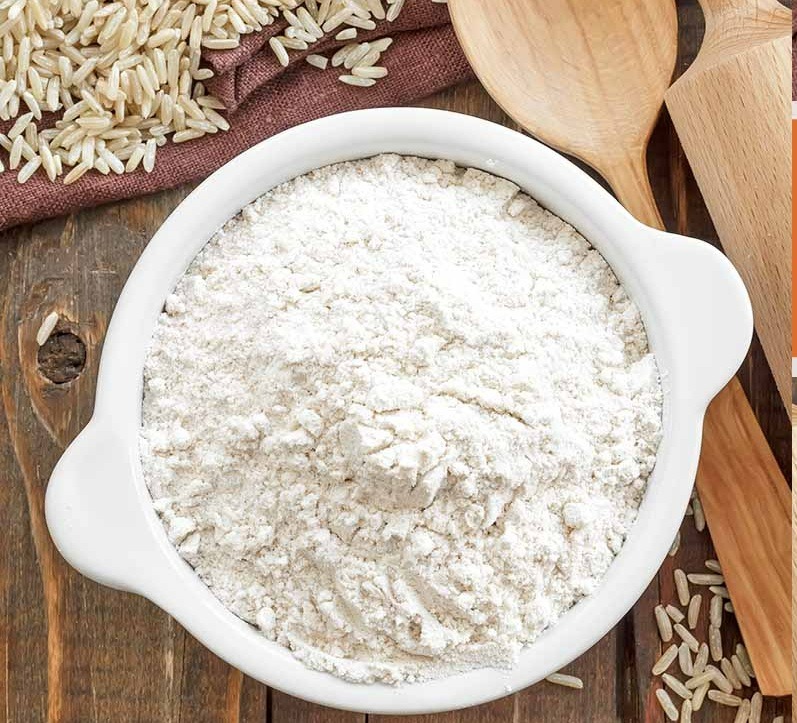
Finally, optical sorting is the final step of the process. This stage ensures that rice grains with aesthetic defects are discarded, ensuring a high-quality end product. The discarded grains are not wasted, but instead are redirected for rice flour production.
Our
Brand Names









CONTACT US, WE ARE HAPPY TO HELP YOU…