


WHEAT FLOUR MILLING TECHNOLOGY
WHEAT FLOUR MILLING TECHNOLOGY
The truth, as we all know, is that not all wheat flour milling processes are handled in the same manner. These variations depend on your specific requirements and the nature of the wheat type being processed. Therefore, if you aim to establish a small, medium, or large-scale industrial wheat flour mill but have no clear idea where to begin, the most critical and foundational step is to gain a thorough understanding of the wheat flour milling process and the specific equipment required for each stage of production.
The wheat milling process is a series of steps that transform wheat kernels into flour, a vital ingredient used in a wide range of food products. This process involves cleaning the wheat kernels, conditioning the wheat for optimal milling, grinding the wheat into flour, and refining the flour to remove impurities.
CONTACT US
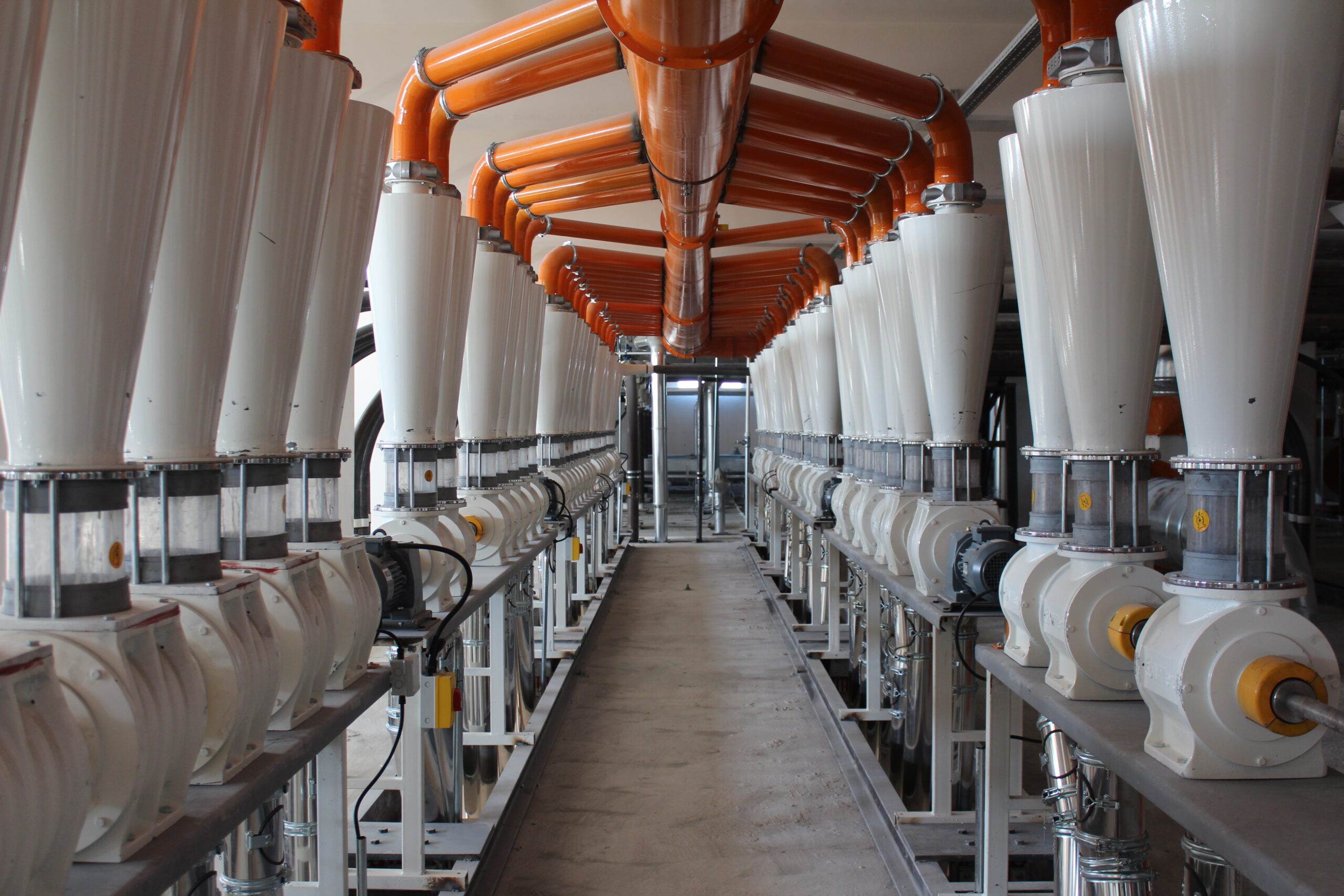
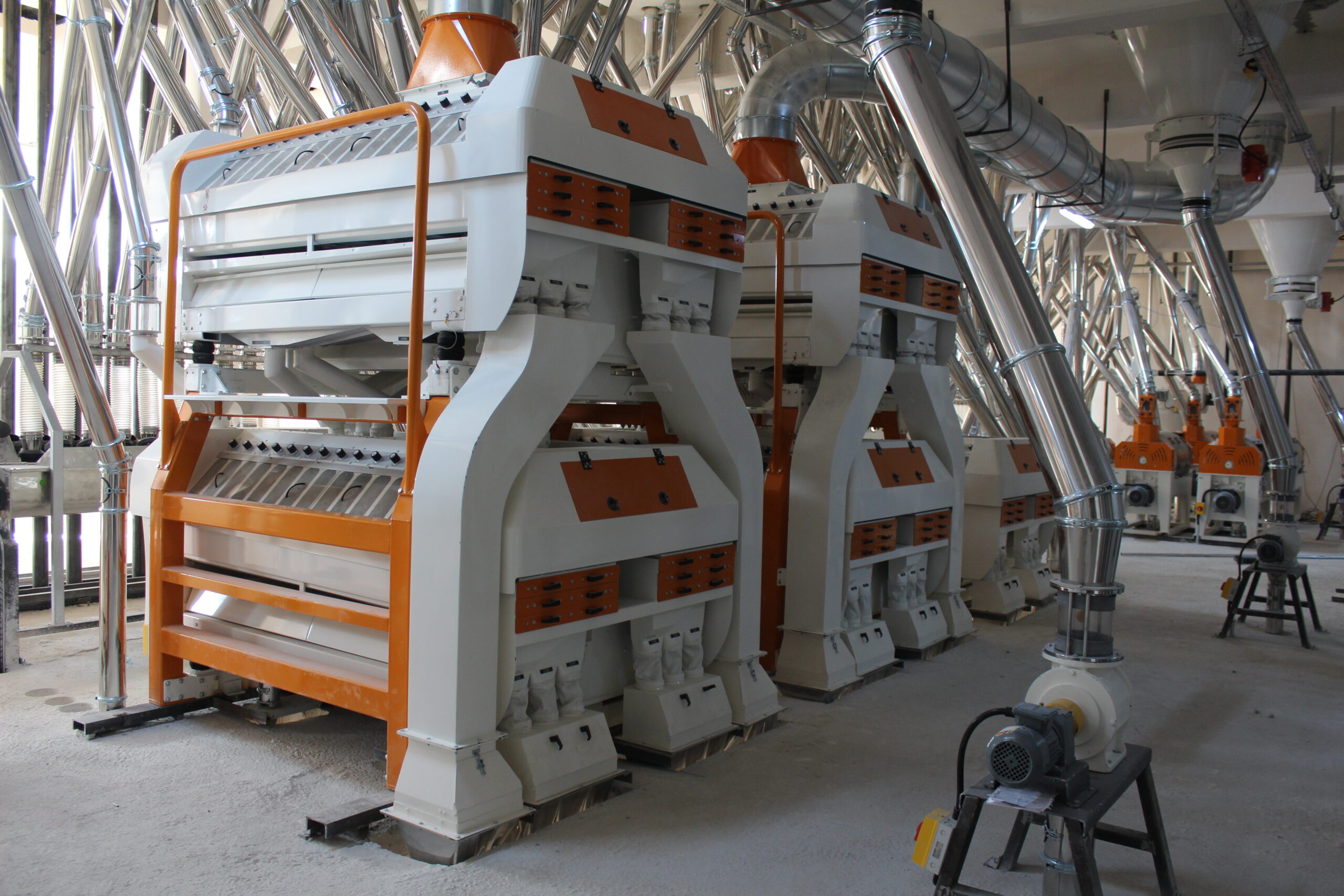
Wheat Cleaning and Conditioning Process
The first step in the complete wheat milling process is the cleaning stage, where the wheat grains are thoroughly cleaned using various equipment like vibrating screens, magnetic separators, and grain cleaners. This process removes unwanted materials such as stones, dirt, and other foreign substances, ensuring that the wheat is pure and free from impurities.
Following the cleaning stage, the wheat grains undergo conditioning. During this process, water is added to adjust the moisture content and temperature of the grains. Conditioning enhances the suitability of the grains for milling and improves the quality of the resulting flour. It typically involves allowing the wheat grains to rest for a specific period, which can further enhance the milling process and increase the flour yield.
Wheat Milling Process
In the wheat milling process, after conditioning, the wheat grains are milled to produce flour. During this step, the grains are broken down into smaller particles, which separates the three main components: the endosperm (the starchy part), the bran (the outer layer), and the germ (the nutrient-rich part). The endosperm is ground into flour, while the other parts are minimized.
The milling of wheat flour typically involves grinding the wheat using specialized equipment. The most commonly used equipment in the wheat flour industry today is the roller mill, although hammer mills and stone mills are also utilized. Different milling techniques can produce various types of flour, including whole wheat flour, white flour, and specialty flours, depending on the desired end product.
Flour Sifiting and Purfication Process
After the milling stage, the flour undergoes sifting and purification processes. In this part of the process, the wheat flour is refined into different grades. Initially, the bran mill, core mill, and tail mill process the cleaned wheat grains into coarse flour.
Next, this loose coarse wheat flour moves into a high plansifter. The high plansifter features multi-layer lattices that direct the flour into different sieving paths based on its particle size. This process ultimately achieves the grading and sieving of the wheat flour, allowing for the separation of flour into various categories based on desired consistency and quality.
Flour Packing Process
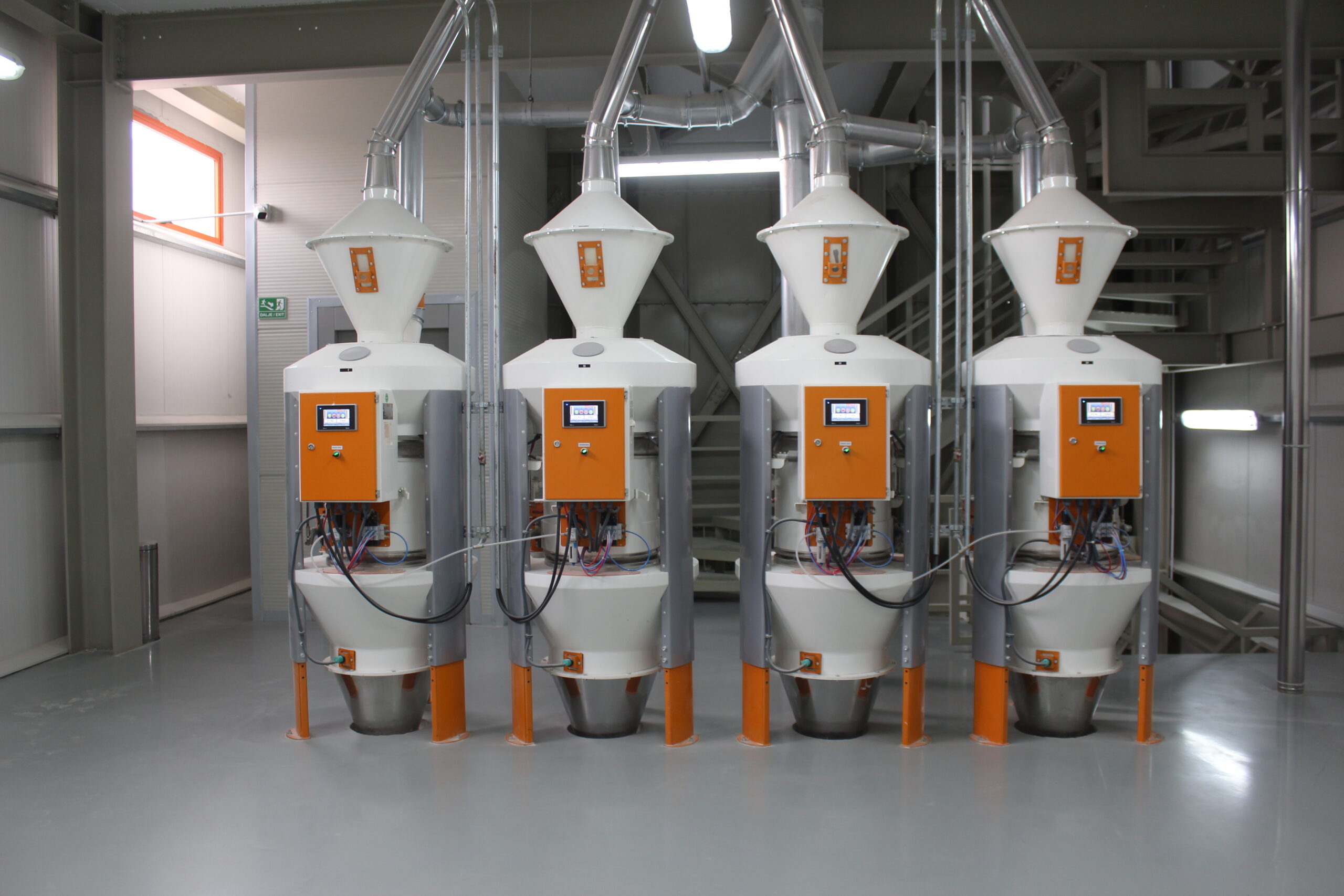
Basic flour with different components and characters that meet the standards are mixed in certain proportion to make different grades of flour. Then, the flour is subjected to magnetic separation to get rid of magnetic substances and delivered directly to the flour packaging machine for weighing and packaging. The packaged flour is then ready to be used and shipped in various food products such as bread, pasta, cake and pastry.
Our
Brand Names








CONTACT US, WE ARE HAPPY TO HELP YOU…